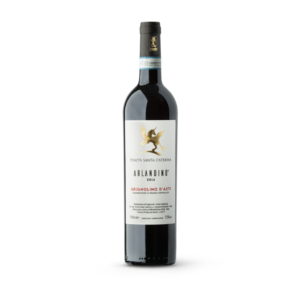
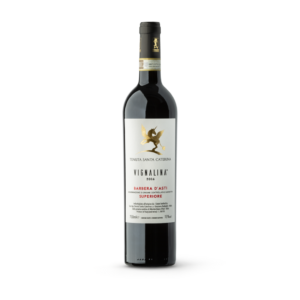
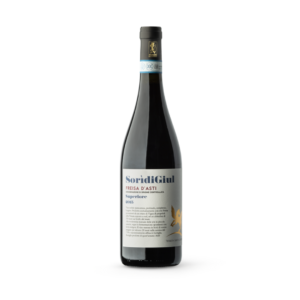
First recorded as an agricultural estate in 1737, Tenuta Santa Caterina was brought back to life in the early 2000s by Guido Carlo Alleva, who chose to return to his birthplace and revive his family’s long-standing viticultural tradition. With great respect for its history, the estate has been carefully restored by skilled local craftsmen, preserving its original character while giving it renewed purpose.
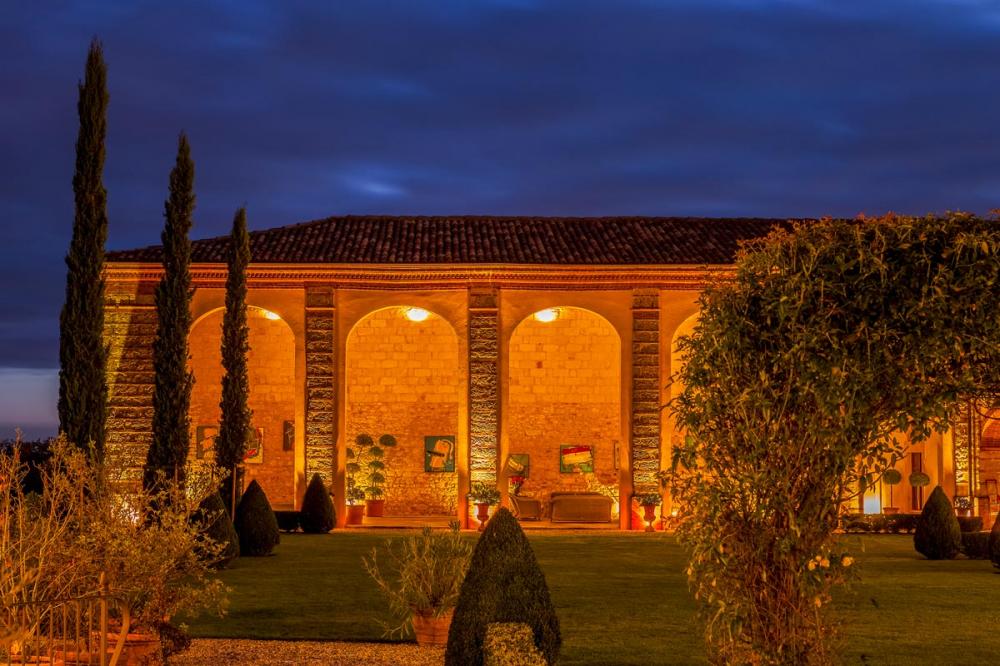
The palazzo, porticos, Italian gardens, stables, and the historic cellar with brick vaults have all been revitalized, along with the remarkable infernòt, hand-dug into the local tufa rock to depths of up to 17 meters. A traditional Piedmontese underground cellar used for wine conservation, the infernòt represents a rare example of subterranean architecture and is today recognized by UNESCO as a World Heritage Site.
Tenuta Santa Caterina is located in the village of Grazzano Badoglio, on the gentle hills known as the “Colli Divini” (Divine Hills), in the heart of Monferrato, in the province of Asti. This historic landscape has long been shaped by viticulture, with vineyards defining the scenery and centuries-old monuments bearing witness to the deep agricultural and cultural roots of the area.
The estate’s vineyards extend over more than twenty hectares and have been carefully recovered through extensive research, attention, and respect for the natural environment. Following the principles of symbiotic agriculture, the vineyards have been revitalized using organic fertilizers and advanced microbiological viticulture techniques, restoring balance and vitality to the land.
In accordance with local regulations, indigenous Monferrato grape varieties such as Grignolino, Freisa, Barbera, and Nebbiolo have been replanted alongside historically present international varieties including Chardonnay and Sauvignon Blanc. Each vineyard is cultivated with the aim of expressing the authentic identity of the territory.
All wines from Tenuta Santa Caterina are produced exclusively from estate-grown grapes, giving each bottle a distinctive sense of place. Fermentations are carried out using indigenous yeasts naturally present on the grape skins, followed by aging in barrel and then in bottle. The wines rest in the cool, historic cellars until they are considered ready for release, allowing them to fully express the character of the landscape and the dedication of the people who craft them.