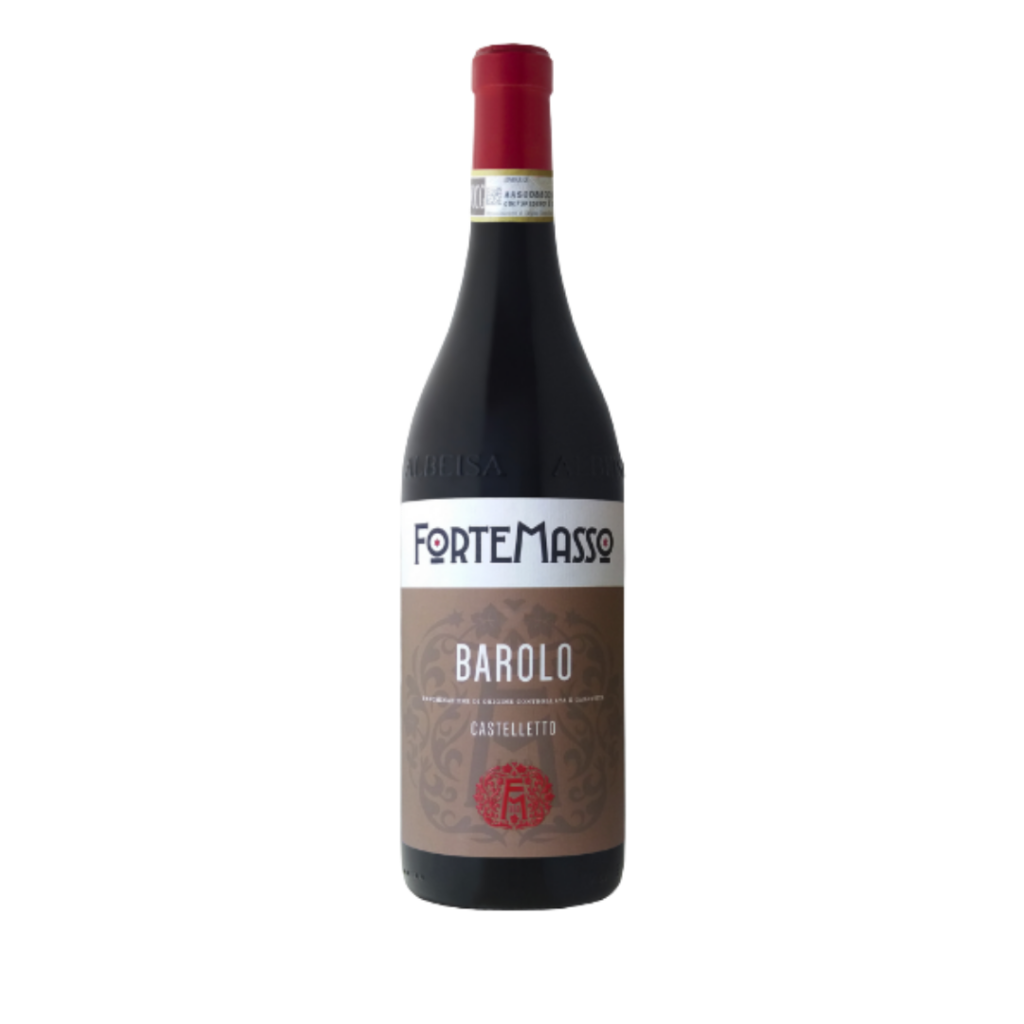
Barolo Castelletto is the wine that most represents Fortemasso, with a distinctive elegance that best expresses the characteristics of the region. This wine delivers increasingly intense and complex emotions as time goes on.
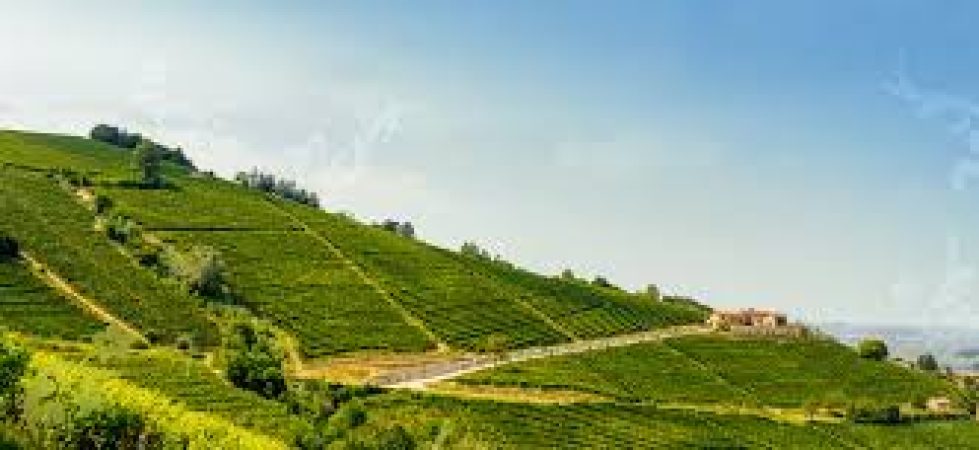
Production Zone: Monforte d’Alba, Piedmont; 360-400 mt a.s.l. Soil: Diano sandstone, made up of sand, silt and clay
Vinification: Fermentation in stainless steel tanks with daily cap pump overs and y submerged cap maceration for 8-10 days. . During maceration, which lasts an average of twenty-five to thirty days, malolactic fermentation also takes place
Maturation: Ageing in wood begins in December and lasts an average of thirty months. The wine spends eight – ten months of further ageing in the bottle before being released for sale.
Tasting Notes & Pairing Ideas
Luminous ruby red, intense, with subtle hints of orange. Generous bouquet with delicate notes of violets, spices, mown hay, and black liquorice. On the palate is full-volumed, well-balanced, with a lengthy, multi-layered finish that ends with a savory, lingering hint of black liquorice.
During its initial years, it is ideal with complex, full-flavored main courses, such as wild game and medium-aged cheeses; after ten years’ cellaring, it becomes the perfect partner to long-aged cheeses and even to semi-sweet chocolate.
Winery Profile
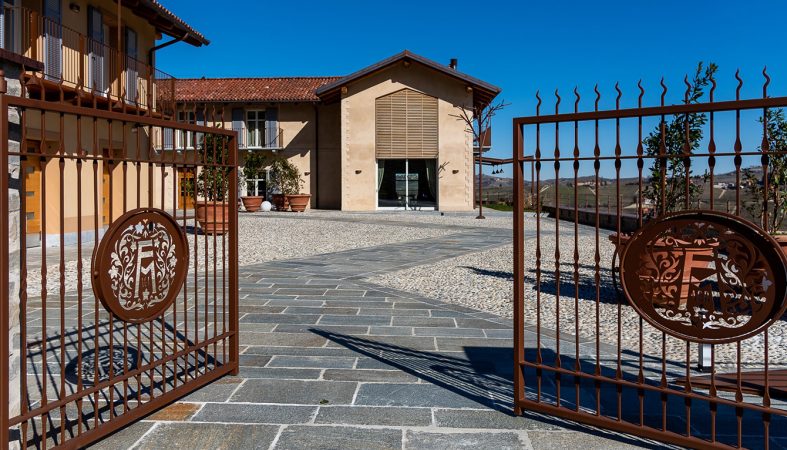
The Gussalli Beretta family purchased Fortemasso, in Castelletto, Monforte d’Alba in 2013: a 5-hectare property planted to Nebbiolo for the production of Barolo DOCG wines, with an additional 3 hectares, meant for the production of Langhe Nebbiolo DOC and Barbera d’Alba DOC.
Leveraging the excellent quality of the land acquired, the expert staff is following a very specific production philosophy: high emphasis on the vineyards and limited intervention in the winemaking process, in order to preserve each grape variety’s characteristic features.
The subterranean, environmentally sustainable cellar is ideal for preserving the rural landscape above ground, while its design centers around modern production processes.